– Progress toward environmentally safer rodenticides
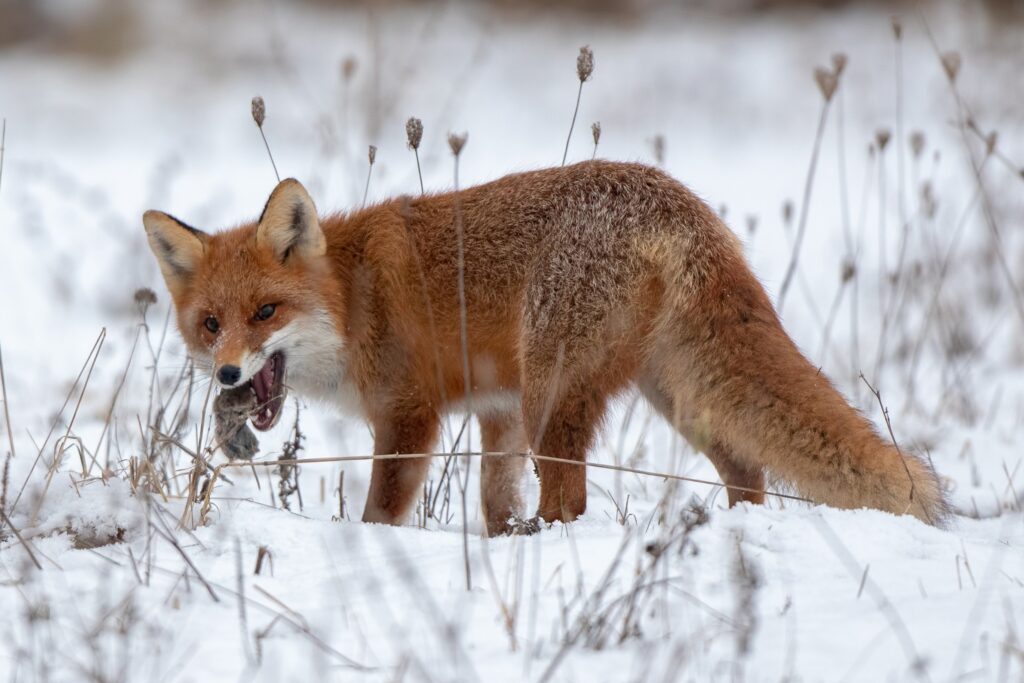
Control of rodent pests worldwide relies heavily on the use of anticoagulant rodenticides (AR). However, due to their widespread use and environmental persistence, they have demonstrated adverse effects in non-target animals, like foxes, cats, dogs, wolfs, wolverines, and predatory birds like owls and hawks.
A 2018 study of wild Eurasian eagle-owls in Norway detected anticoagulant rodenticides in 72 out of 100 examined individuals, with several showing potentially toxic concentrations. This highlights the need to transition from highly persistent rodenticides to alternative anticoagulants that remain effective but break down more rapidly in the environment.
The project aims to establish improved chemical analytical methods to deepen our understanding of different anticoagulants and their isomeric forms. In addition, immunological, antibody-based tools such as ELISA and rapid screening tests will be developed to accelerate and simplify the detection of suspected poisoning events. Planned activities also include studies of how anticoagulants are transported through soil and in vitro investigations of how various compounds are metabolized in wild animals.
The project will emphasize enhanced monitoring and the development of solutions that enable the use of anticoagulants with reduced environmental impact. Statistical analysis of the full dataset, combined with risk assessments of adverse health and welfare effects in non-target species, will provide new insights and essential information for government authorities and industry stakeholders.
The overarching goal of GreenBait is to evaluate and rank candidate rodenticides that have well-documented toxic properties but lack the high environmental persistence of current products, ultimately contributing to the development of refined and more environmentally benign rodent control agents.
Project partners: Norwegian Veterinary Institute, NINA, NIBIO, Norsk landbruksrådgivning and Landcare Research’s Toxicology Laboratory in New Zealand
Project periode: 2023–2027
Application type: Collaborative Project to Meet Societal and Industry-related Challenges
Funding: 11 mill. NOK
Project number: 336377